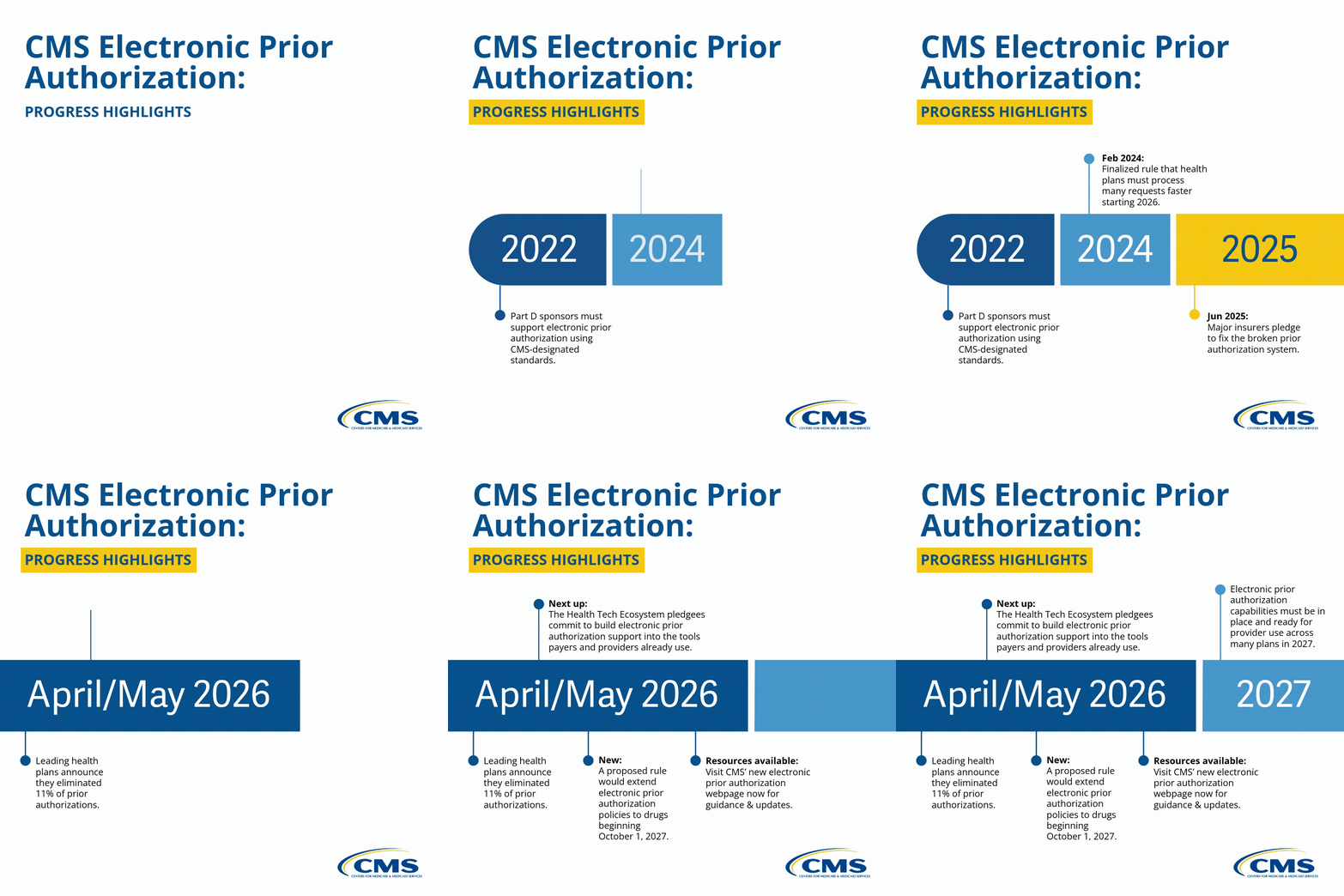
At a June 2025 roundtable, HHS Secretary Robert F. Kennedy, Jr., CMS Administrator Dr. Mehmet Oz, and the National Coordinator for Health IT Information Technology Dr. Thomas Keane met with industry leaders to discuss their pledges to streamline the prior authorization process. Major health plans, provider organizations, and health IT stakeholders across the country joined this commitment — signaling a unified effort to drive meaningful change.
The current prior authorization process often creates unnecessary delays, places administrative burden on providers, and can stand between patients and the care they need. These challenges have contributed to frustration across the health care system and have eroded trust among patients, providers, and payers.
By coming together to address these issues, stakeholders are taking an important step toward restoring confidence in the health care system. Reducing friction, improving transparency, and streamlining workflows will enhance efficiency and help ensure that patients get timely, appropriate care.
Building trust requires accountability and collaboration. This pledge reflects a shared commitment to modernize prior authorization processes and create a more responsive, patient-centered health care experience.
Participating companies pledged to:
- Standardize electronic prior authorization by using FHIR-based APIs
- Reduce the volume of medical services subject to prior authorization
- Honor existing authorizations during insurance transitions to ensure continuity of care
- Enhance transparency and communication around authorization decisions and appeals
- Expand real-time approvals to minimize delays in care for most requests by 2027
- Ensure medical professionals review all clinical denials
Learn more about the pledge and our goals here: HHS Secretary Kennedy, CMS Administrator Oz Secure Industry Pledge to Fix Broken Prior Authorization System. View the Electronic Prior Authorization Pledge.
We’re committed to using other new health technologies. The Wasteful and Inappropriate Service Reduction (WISeR) Model aims to reduce wasteful and inappropriate Original Medicare spending. This model leverages enhanced technologies, such as artificial intelligence (AI) and machine learning (ML), combined with clinician review, to ensure select items and services are furnished in line with Medicare coverage criteria. It also incorporates electronic prior authorization. View more information on the WISeR model.